
Be part of the change
…
Articles
-
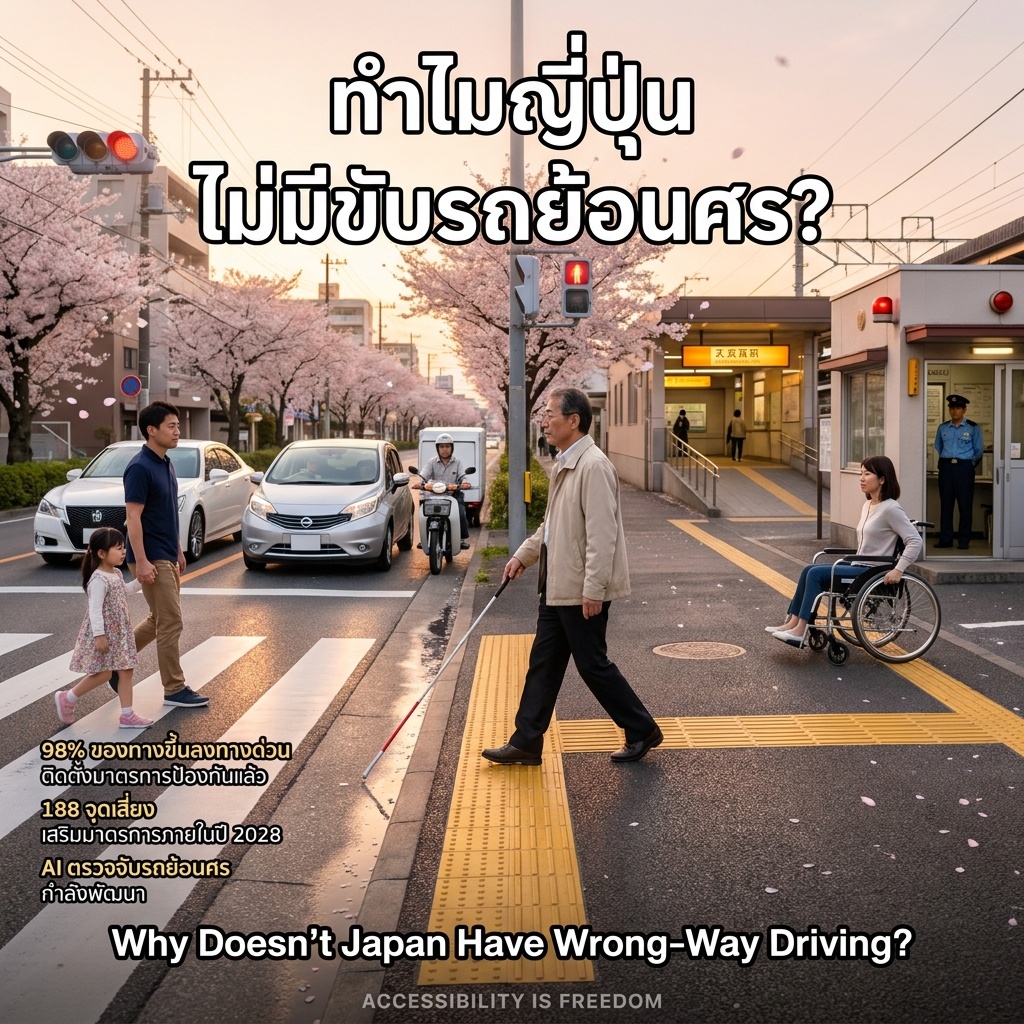
Why Doesn’t Japan Have Wrong-Way Driving?
[Japan 🇯🇵] In Thailand, wrong-way driving has become almost normal. We see police chasing them, but they never catch them all. But in Japan, almost no one drives the wrong way — whether car or motorcycle. Why? The answer is serious enforcement with real consequences. Japan takes traffic laws seriously with a graduated penalty system — warnings, on-the-spot fines, license suspension, imprisonment — so no one dares challenge rules. Wrong-way driving on expressways makes this clear: about 200 cases annually (224 in 2023), with 17% leading to accidents. That’s low compared to Thailand, but Japan didn’t wait for numbers to…
-
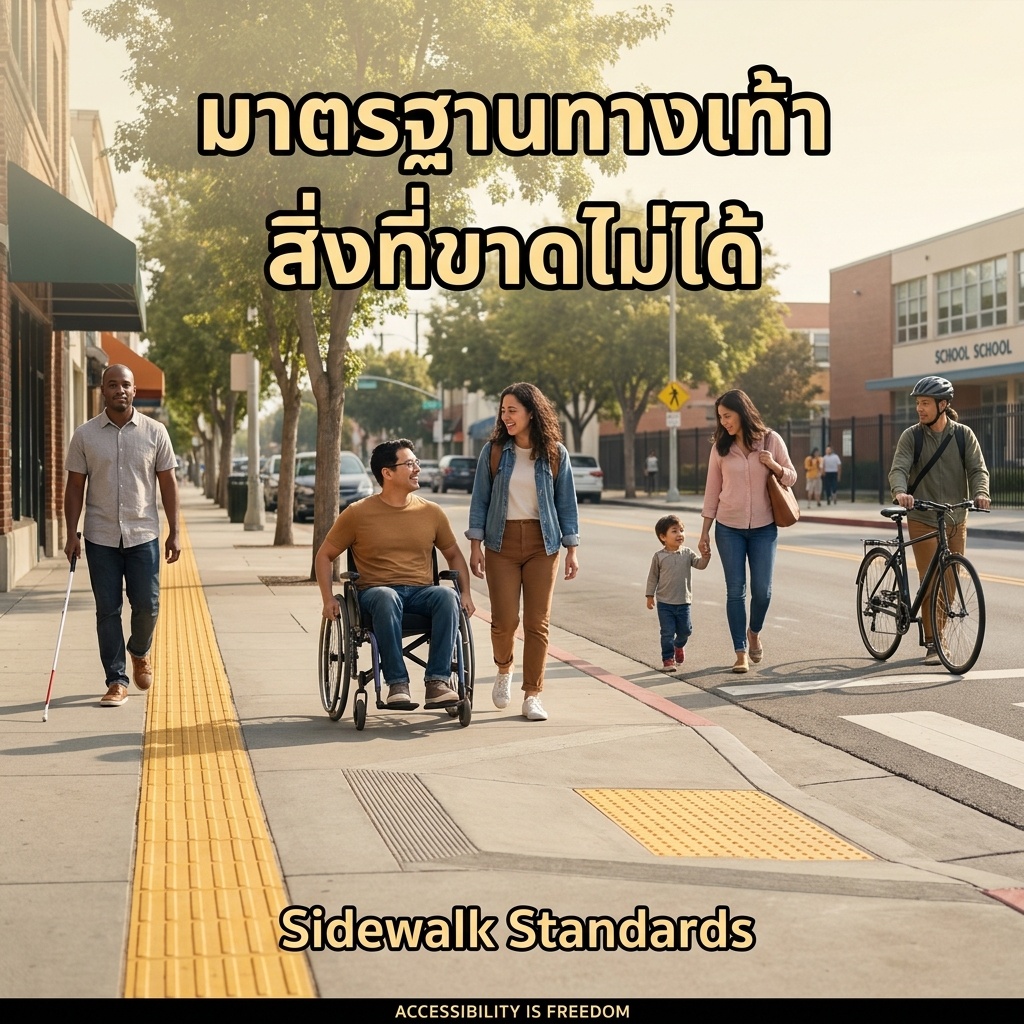
3 Essential Sidewalk Standards That Are Non-Negotiable
[Good Sidewalk Standards 🚶♿👨🦯🏃] When I step out of my home, the first thing my feet touch is the sidewalk. Many people think sidewalk standards are a distant concept, but really, they’re the first thing that lets everyone travel safely. A sidewalk should meet these minimum requirements: 1️⃣ Width The sidewalk must be wide enough for a wheelchair to pass or for two people to walk past each other without one having to step onto the road or wait for the other to move. 2️⃣ Slope and Surface The sidewalk must have no steps or broken, potholed surfaces that cause…
-
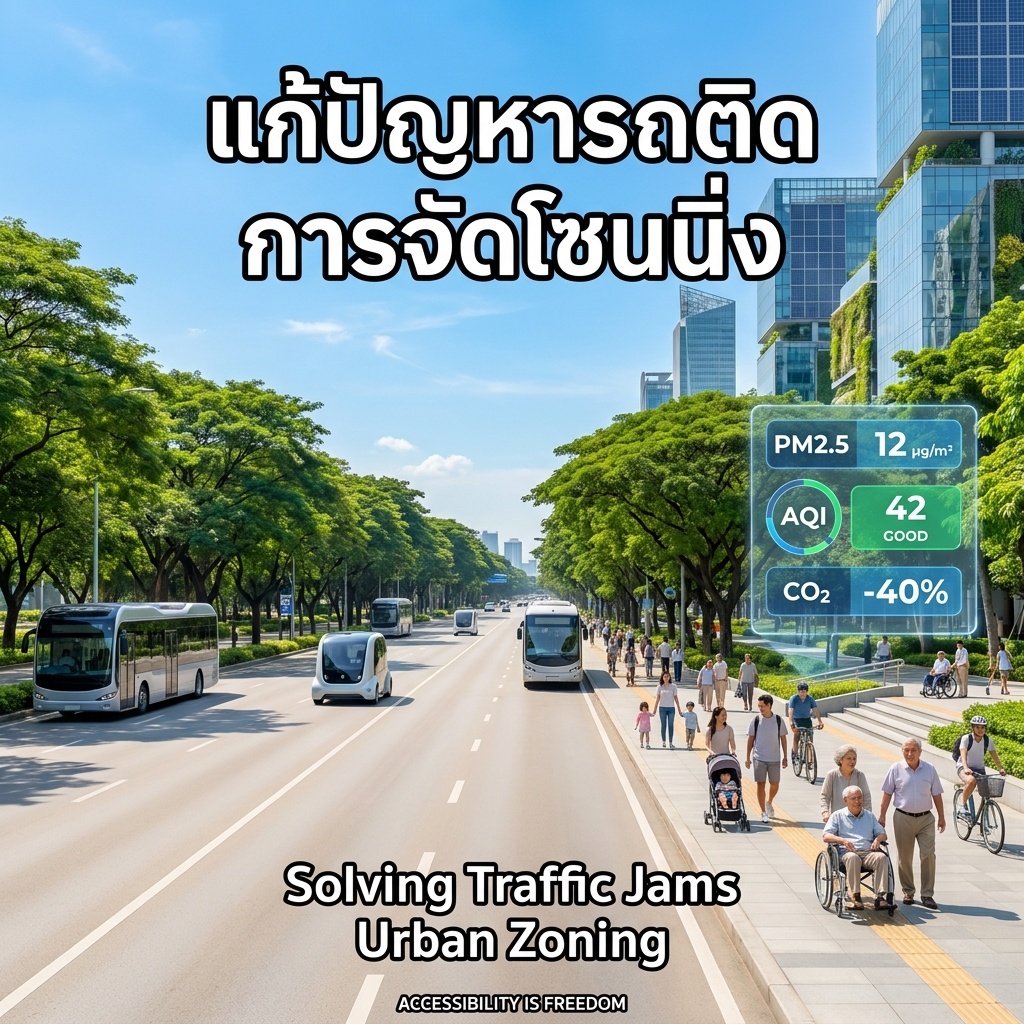
Global cities solve traffic jams with urban zoning
[Traffic Standards 🛣️🚦] A reader shouted from the last post: “Dare you? Ban cars from the city and zone pricing.” This question isn’t just a passing thought — because many cities worldwide have proven that urban zoning and congestion charging actually solve traffic. Milan 🇮🇹 started Area C in 2012, covering 8.2 square kilometers, charging 5 euros per car. Results over 10 years (2011–2021): vehicles entering the city dropped from 131,898 per day to 81,181 — a 38.45% reduction. Bus speeds during rush hour increased by 10%, and air pollution fell so much that the economic benefit was valued at…
-

PM 2.5 And Air Pollution Problems Can Be Solved by Using Public Transportation
PM 2.5, along with other fine particles and air pollutants, continues to impact us more severely. One of the major causes is traffic and vehicle emissions. Public transportation in Bangkok, especially metro trains, and buses, has improved significantly over the past decade.