

[Traffic Standards 🛣️🚦]
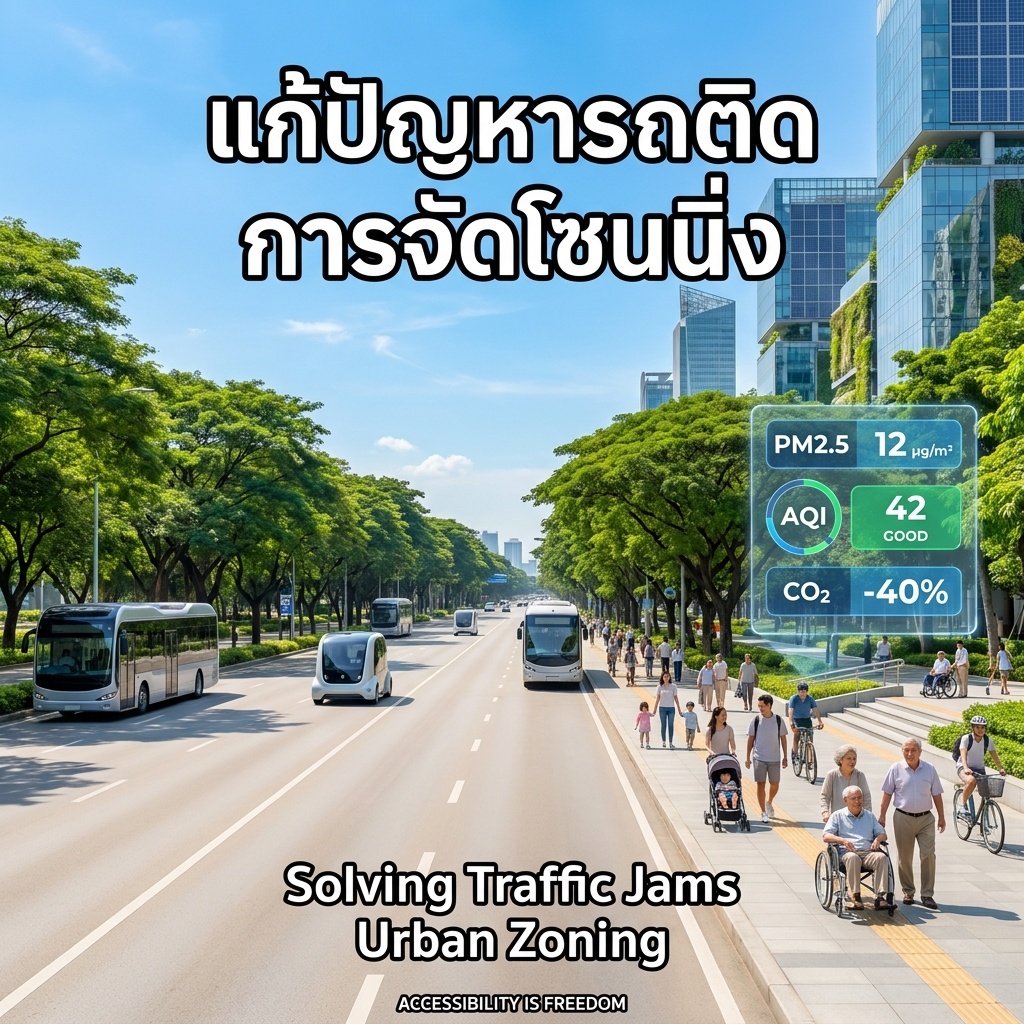
A reader shouted from the last post: “Dare you? Ban cars from the city and zone pricing.” This question isn’t just a passing thought — because many cities worldwide have proven that urban zoning and congestion charging actually solve traffic.
Milan 🇮🇹 started Area C in 2012, covering 8.2 square kilometers, charging 5 euros per car. Results over 10 years (2011–2021): vehicles entering the city dropped from 131,898 per day to 81,181 — a 38.45% reduction. Bus speeds during rush hour increased by 10%, and air pollution fell so much that the economic benefit was valued at 3 billion dollars per year.
London 🇬🇧 started congestion charging in 2003, now charging 18 pounds per day for the central zone. Results: car traffic decreased by 30%. In the first 10 years, revenue exceeded 2.6 billion pounds, with 46% (1.2 billion pounds) invested in public transit, especially the bus network. NOx pollution dropped 17%, PM10 dropped 24%.
New York 🇺🇸 is the latest, starting January 2025, charging 9 dollars for cars entering Manhattan south of 61st Street. In the first year, revenue exceeded 500 million dollars. Subway ridership increased 7.7%, and traffic fatalities in the zone dropped from 128 to 87.
Singapore 🇸🇬 started its Restricted Zone in 1974, the world’s first city to use this system. Results: vehicles in the control zone dropped 13%, reducing cars during rush hour by nearly 25,000 per day.
Stockholm 🇸🇪 is a great example of public acceptance. Before the system started in 2006, there was heavy opposition, especially from suburbs. But after a 7-month trial, traffic into the city dropped 20–25%. People changed their minds and voted in a referendum to support it, leading to permanent implementation.
Back to Thailand 🇹🇭. In October 2024, the Ministry of Transport announced a concept to charge 40–50 baht per car for entering inner Bangkok, with revenue used to subsidize the 20-baht flat fare for electric trains. But nearly 2 years later, this proposal has gone silent.
Yet Bangkok has over 9.7 million registered cars, increasing by 700 cars and 400 motorcycles every day, while roads can handle only 1.5 million vehicles. Economic losses from traffic are estimated at 35 billion baht per year just from fuel costs — not including lost time and air pollution.
Other cities have done it. We already have a proposal on the table. So how much longer will we wait?
Sources: Wikipedia, TfL, LTA Singapore, MTA New York, Comune di Milano